by Richard William Nelson | Sep 28, 2017
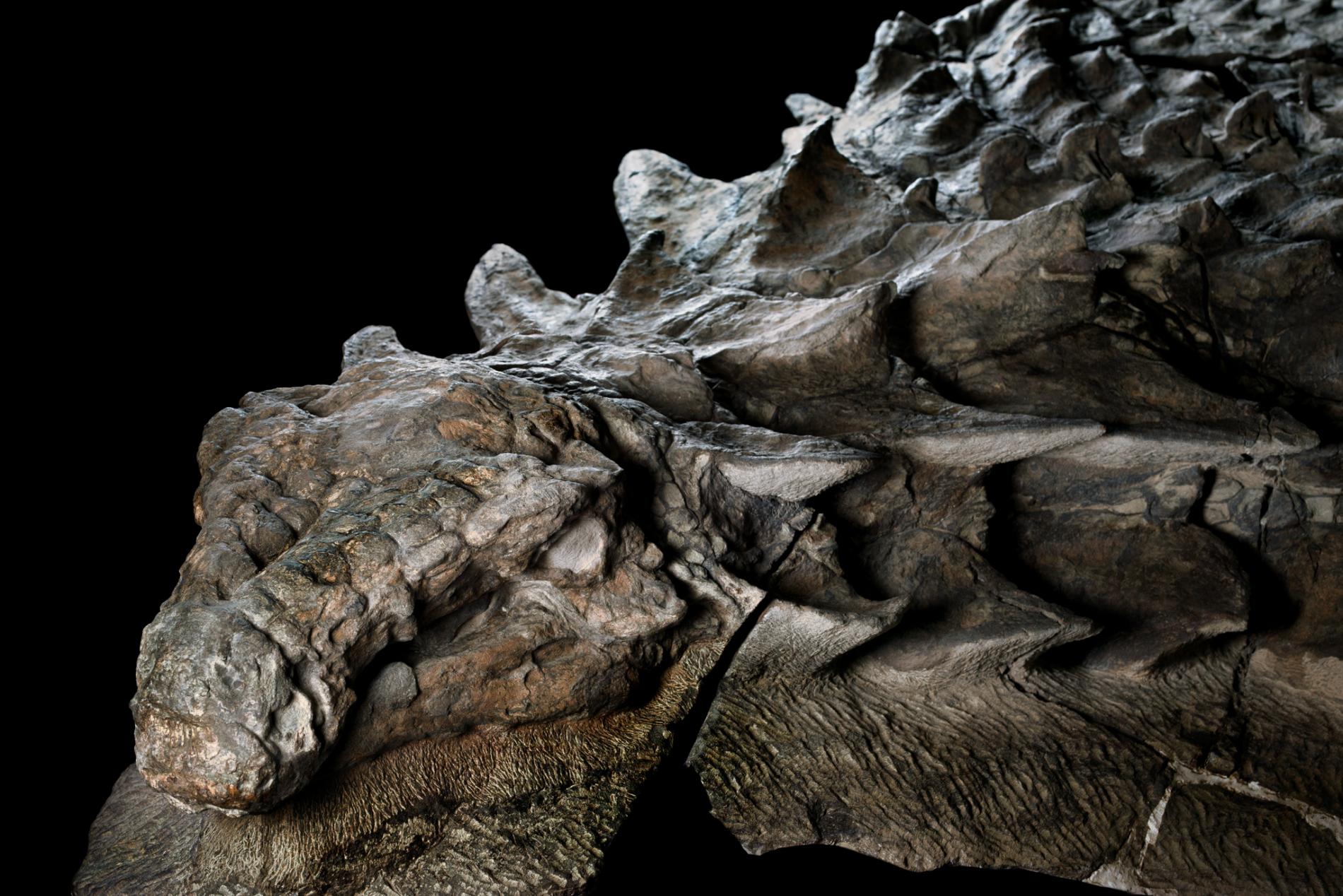
 The armored dinosaur fossil, preserved in exquisite detail and unearthed in a western Canadian oil sand mine, highlights the new daunting challenges facing the theory of evolution.
This stunningly preserved fossil is shattering long-standing paradigms. “The more I look at it,” said Michael Greshko, science writer for National Geographic, “the more mind-boggling it becomes.”
Caleb Brown (picture-right), a paleobiologist at the Royal Tyrrell Museum, where the fossil was placed on exhibit in August, explained to Greshko,
“We don’t just have a skeleton… We have a dinosaur as it would have been.”
Continue Reading
by Richard William Nelson | May 19, 2016
“The Brain defects caused by the Zika virus could set evolution back 2 million years, scientists claim” was the leading story in the UK’s Daily Mirror in February. Since then, the global spread of the Zika virus, previously known as a rare virus, continues as a leading headline story – for good reasons. As CNN reports, “This is the first time a mosquito has been found to cause congenital birth defects.”
The New England Journal of Medicine published the article entitled “Zika virus and Birth Defects — Reviewing the Evidence for Causality” on April 13, written by a team headed by Sonja Rasmussen at the U.S. Centers for Disease Control and Prevention (CDC).
Continue Reading
by Richard William Nelson | Feb 11, 2016
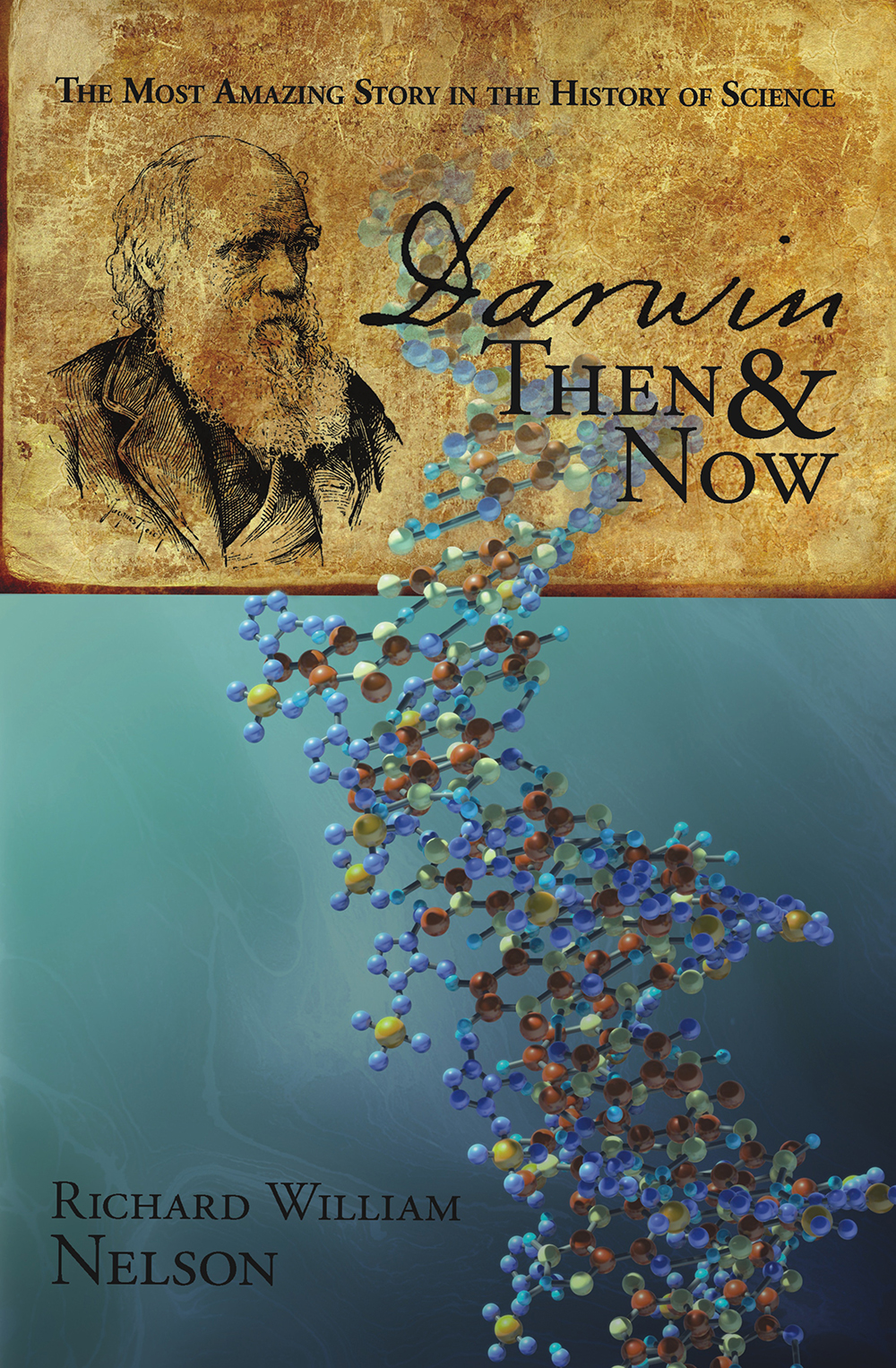
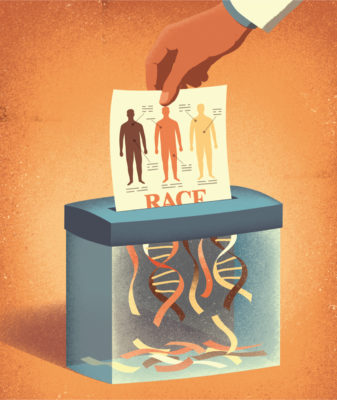
Starting with his infamous book, The Origin of Species (1859), Charles Darwin legitimized racism based on the theory of evolution, albeit briefly. The complete title contains the essential phrase “preservation of favoured races” –
“On the origin of species by means of natural selection, or the preservation of favoured races in the struggle for life”
How his concept of “races” applies to humans was clarified in The Descent of Man (1871). Darwin explains –
“The sole objective of this work is to consider… the value of the differences between the so-called races of man.”
Continue Reading
by Richard William Nelson | Dec 3, 2015
Natural selection, sometimes known as the opium of evolutionary biologists, has long been envisioned as the driving mechanism of biological evolution. “On the Origin of Species by Means of Natural Selection” by Charles Darwin was the first publication to popularize natural selection.
In the words of twentieth-century evolutionary biologist Niles Eldredge,
“A century and a half ago, Charles Darwin offered the world a single, simple scientific explanation for the diversity of life on Earth: evolution by natural selection.”
Continue Reading
by Richard William Nelson | Oct 8, 2014
The genetic mutation plus natural selection equation emerged as the most popular theory of biological evolution during the twentieth century.
However, with advances in biotechnology, evolutionary scientists have since increasingly challenged the credibility of this theory, popularly known as neo-Darwinism or the Modern Synthesis theory.
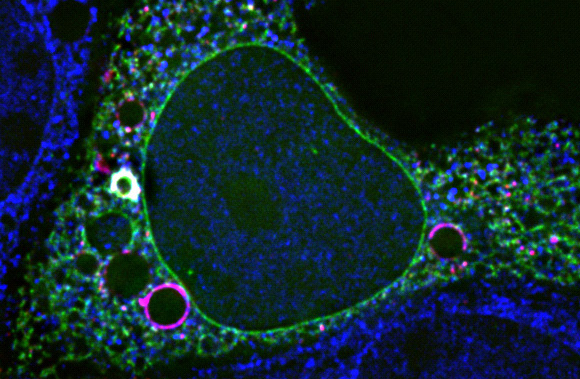
A recent study published in the journal Science by a Harvard research group undermines the theory that genetic mutations plus natural selection equals evolution in an experimental evolution model using the yeast microbe Saccharomyces cerevisiae.
The model demonstrates stasis – not evolution.
Continue Reading

 The armored dinosaur fossil, preserved in exquisite detail and unearthed in a western Canadian oil sand mine, highlights the new daunting challenges facing the theory of evolution.
 “The Brain defects caused by the Zika virus could set evolution back 2 million years, scientists claim” was the leading
  Starting with his infamous book,