by Richard William Nelson | Sep 7, 2024
 Selection is the third of the five principles of natural selection introduced by Charles Darwin in The Origin of Species. Darwin wrote –
“Over all these causes of Change, I am convinced that the accumulative action of Selection, whether applied methodically and more quickly, or unconsciously and more slowly, but more efficiently, is by far the predominant Power.”
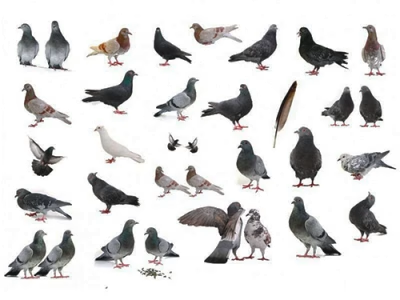
To explain selection, Darwin drew a parallel between a breeder’s selection process and natural selection, using pigeon breeding (pictured above) as one example. At the time, breeding pigeons was a prestigious pastime for the elite.
Continue Reading
by Richard William Nelson | Jan 3, 2023
 The modern genetic shift early in the twentieth century rescued Darwin’s theory of natural selection, to a point. By the end of the nineteenth century, Charles Darwin’s influence had continued to deteriorate, stemming from his obsolete theory of inheritance.
In the search for a scientifically valid theory, scientists early in the twentieth century rediscovered Gregor Mendel’s theory of inheritance. His work had been published thirty years earlier.
Mendel’s theory delivered what Darwin missed – a scientifically valid theory of inheritance capable of driving evolution.
Continue Reading
by Richard William Nelson | Jan 13, 2022
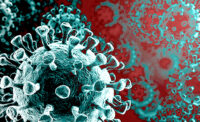
Three years into the pandemic, the origin of COVID-19 is still controversial. Two leading theories are under investigation: natural selection process or genetically engineered – each with vastly different implications. The phylogenetics of coronaviruses is the key to the COVID-19 origin dilemma and gaining insights into the theory of evolution.
Coronaviruses are RNA, not DNA viruses. RNA viruses are associated with causing the common cold, influenza, mumps, and measles; coronaviruses in humans can cause respiratory tract infections ranging from no symptoms, mild symptoms to a cytokine storm resulting in organ failure and death in humans.
Continue Reading
by Richard William Nelson | Mar 31, 2017
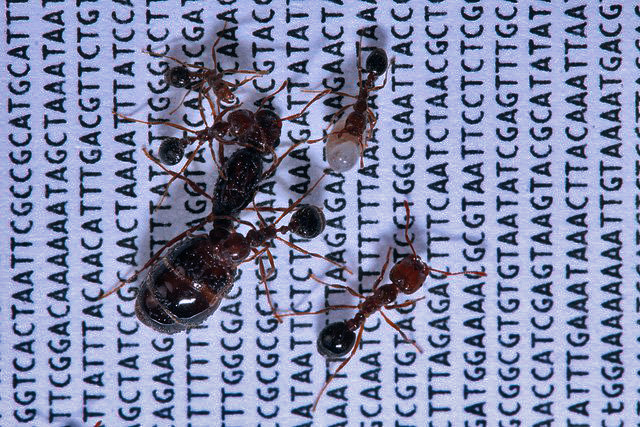
The behavioral evolution in the red fire ant species, which has two distinct types of colonies —one with a single queen and one with multiple queens —has long puzzled biologists. An invisible border seems to exist between the two. The male ants quickly destroy the Queen ants that happen to wander between colonies. To understand what evolutionary mechanisms might be at play, molecular scientists have recently turned to the genome.
At Queen Mary University of London, a team of biochemists led by Rodrigo Pracana (pictured below) sequenced the whole genome in both colony types to examine the genetic difference between the two types of colonies – SB and Sb. Surprisingly, rather than finding “slight, successive changes” as predicted by Charles Darwin’s theory of evolution, they discovered the two genes to be “highly divergent” from each other.
Continue Reading
by Richard William Nelson | Jan 9, 2015
The genetic code is the universal language of life, from the first microbe to man. Searching for the origins of the first genetic code mystery, however, is akin to deciphering the evolution of life.
Over the past two years, the research team of Bojan Žagrović (pictured) at the Max F. Perutz Laboratories of the University of Vienna has been searching for a natural mechanism driving the genesis of the original genetic code − a longstanding challenge of the evolution industry.
Since the interactions between genetic material (nucleobases, DNA, and mRNA) and amino acids produce the workhorse molecules of life–proteins, Žagrović’s research team has been focusing on understanding what might have been the initial natural physicochemical mechanisms producing the original genetic code.
Continue Reading

 Selection is the third of the five principles of natural selection introduced by Charles Darwin in The Origin of Species. Darwin wrote –
 The modern genetic shift early in the twentieth century rescued Darwin’s theory of
  Three years into the pandemic, the origin of